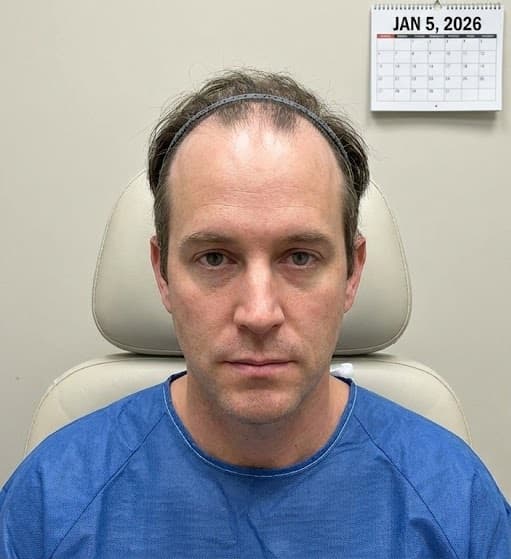
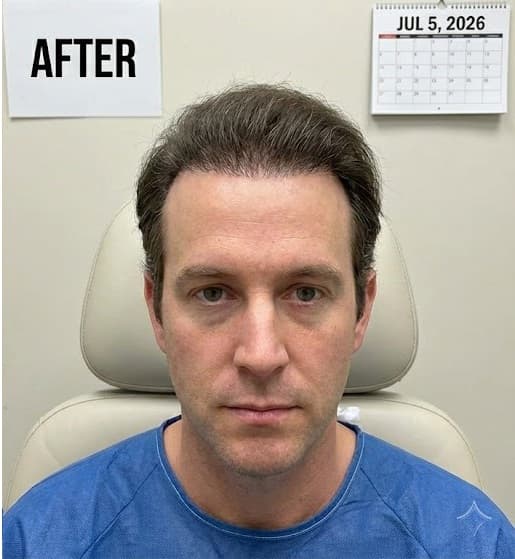
Complete Guide to Hair Transplant Surgery
Hair loss can significantly impact your confidence and self-image. Hair transplant surgery offers a permanent, natural-looking solution to restore your hairline and regain your confidence. With advanced techniques and skilled surgeons, modern hair transplantation delivers exceptional results that look completely natural.
What is Hair Transplant?
Hair transplant is a surgical procedure that moves hair follicles from areas of dense growth (donor area, typically the back and sides of the head) to areas experiencing thinning or baldness (recipient area). Unlike temporary solutions like medications or wigs, hair transplantation provides permanent results because the transplanted hair is genetically resistant to balding.
Who is a Good Candidate?
- Men and women with pattern baldness
- Sufficient donor hair available
- Realistic expectations about results
- Good overall health
- Non-smoker or willing to quit before and after surgery
- Stable hair loss pattern (ideally over 25 years old)
- Those with hair loss from burns, injuries, or scarring
Hair Transplant Techniques
FUE (Follicular Unit Extraction)
FUE is the most advanced and popular hair transplant technique. Individual hair follicles are extracted one by one from the donor area using a micro-punch tool (0.6-1.0mm diameter). These follicles are then implanted into the balding areas.
Advantages:
- No linear scar - tiny dot scars that are virtually invisible
- Minimal discomfort and faster recovery
- Can wear hair very short
- Can extract hair from body if needed
- Less post-operative pain
- Natural-looking results with precise placement
Best for: Patients who want to wear short hairstyles, those with tight scalp, or anyone preferring minimal scarring.
FUT (Follicular Unit Transplantation / Strip Method)
FUT involves removing a strip of scalp from the donor area, dissecting it into individual follicular units under microscope, and transplanting these units into recipient sites.
Advantages:
- Can harvest large number of grafts in one session
- More cost-effective for extensive baldness
- Higher graft survival rate
- Allows for maximum density
Considerations: Leaves a linear scar at donor site (easily hidden by hair), requires longer recovery time.
Best for: Patients needing maximum graft numbers, those who wear longer hairstyles, or extensive baldness cases.
DHI (Direct Hair Implantation)
DHI is an advanced variation of FUE where hair follicles are implanted immediately after extraction using a specialized Choi Implanter Pen. This technique doesn't require creating recipient sites beforehand.
Advantages:
- More precise control over angle, direction, and depth
- Minimal handling of grafts
- Higher survival rate
- Less bleeding
- Faster recovery
- Can be performed without shaving entire head
Best for: Women who don't want to shave their head, patients seeking maximum density, or those wanting the most advanced technique.
The Hair Transplant Procedure
Consultation and Planning
Your journey begins with a detailed consultation where your surgeon will:
- Evaluate your hair loss pattern and donor area quality
- Determine the number of grafts needed
- Design your new hairline based on facial proportions
- Discuss realistic expectations and potential results
- Review your medical history and medications
- Take photographs for before/after comparison
- Explain the chosen technique and procedure details
Surgery Day
The procedure typically takes 4-8 hours depending on the number of grafts. It's performed under local anesthesia, so you're awake but comfortable.
Step-by-step process:
- Preparation: Donor and recipient areas are cleaned and prepared
- Anesthesia: Local anesthetic administered (only minor discomfort during injection)
- Extraction: Hair follicles harvested from donor area (FUE: individual extraction, FUT: strip removal)
- Graft Preparation: Follicles prepared and kept in special solution
- Recipient Site Creation: Tiny incisions made in balding areas
- Implantation: Grafts carefully placed considering natural hair direction and density
- Completion: Donor and recipient areas bandaged
Recovery and Results Timeline
Day 1-3: Immediate Post-Op
- Mild swelling and discomfort (easily managed with medication)
- Keep head elevated while sleeping
- Avoid touching or scratching transplanted area
- First gentle washing after 2-3 days
Week 1-2: Initial Healing
- Scabs form around grafts (normal)
- Swelling subsides
- Return to work after 3-5 days (desk job)
- Gentle hair washing routine established
- Avoid strenuous exercise
Week 2-4: Shock Loss Phase
- Transplanted hair sheds (completely normal and expected!)
- Hair follicles remain intact beneath scalp
- Scabs completely healed and fallen off
- Can resume most normal activities
Month 2-4: Dormant Phase
- Little visible change (don't worry, this is normal)
- Hair follicles preparing for growth phase
- Some patients see early new hair growth
Month 4-8: Growth Phase
- New hair begins growing (initially thin and fine)
- Noticeable improvements start appearing
- Hair gradually thickens
- About 50-60% of final results visible by month 6
Month 9-12: Maturation
- Continued thickening and lengthening
- Approximately 80-90% of results visible
- Can style hair normally
Month 12-18: Final Results
- Complete growth achieved
- Full density and thickness
- Hair continues to grow naturally for life
- Can cut, style, and treat like natural hair
Expected Results
Graft Numbers and Coverage
- 1,000-1,500 grafts: Mild hair loss, hairline restoration
- 1,500-2,500 grafts: Moderate hair loss, frontal area
- 2,500-4,000 grafts: Advanced hair loss, larger area coverage
- 4,000+ grafts: Extensive baldness, may require multiple sessions
Note: Each graft typically contains 1-4 hairs. Total number of hairs transplanted is significantly higher than graft count.
Post-Transplant Care
Essential Do's
- Follow prescribed medication regimen
- Sleep with head elevated (45 degrees) for first week
- Use gentle, prescribed shampoo
- Protect scalp from sun exposure
- Stay hydrated and eat nutritious diet
- Attend all follow-up appointments
Important Don'ts
- Don't touch, scratch, or rub transplanted area
- Avoid alcohol and smoking (at least 2 weeks)
- No swimming or sauna for 1 month
- Avoid strenuous exercise for 2-3 weeks
- Don't wear tight hats or headwear
- Avoid direct sun exposure without protection
Why Choose Iran for Hair Transplant?
World-Class Expertise
Iran has become a global leader in hair transplantation, with surgeons performing thousands of successful procedures annually. Many Iranian hair transplant specialists have trained internationally and bring cutting-edge techniques and artistic precision to their work.
Exceptional Value
Hair transplant in Iran costs 70-80% less than in Western countries, without any compromise in quality. Comprehensive packages typically include:
- Complete pre-operative consultations and analysis
- Hair transplant surgery (FUE, FUT, or DHI)
- All medications and post-operative care products
- Follow-up consultations
- Hotel accommodation
- Airport transfers
- Interpreter services
- 24/7 patient support
Advanced Techniques and Technology
Iranian clinics utilize the latest equipment including motorized micro-punches, high-magnification microscopes, and sterile, temperature-controlled graft storage systems to ensure maximum graft survival.
Natural Results
Iranian surgeons are renowned for creating natural-looking hairlines with proper density, angle, and direction that perfectly match your existing hair pattern.
Frequently Asked Questions
Is hair transplant painful?
The procedure is performed under local anesthesia, so you won't feel pain during surgery. Mild discomfort during the anesthetic injection is the only brief pain. Post-operatively, any discomfort is minimal and easily managed with medication.
Will people notice I had a hair transplant?
Modern techniques create completely natural results. After full healing and hair growth, it's virtually impossible to tell you've had a transplant. The transplanted hair grows naturally and can be cut and styled normally.
How long do results last?
Hair transplant results are permanent. The transplanted follicles are genetically resistant to DHT (the hormone causing male pattern baldness), so they continue growing for life.
Can I have multiple sessions?
Yes, some patients choose to have additional sessions to increase density or address progressive hair loss in other areas. Second sessions can typically be performed 8-12 months after the first.
What's the success rate?
With experienced surgeons and proper technique, graft survival rates are 90-95%. Following post-operative care instructions carefully maximizes success.
Start Your Hair Restoration Journey
Hair loss doesn't have to be permanent. With modern hair transplant techniques and expert care, you can restore your hairline, boost your confidence, and enjoy natural-looking results that last a lifetime.
Contact us today for a free consultation and personalized hair restoration plan. Let our experienced team help you achieve the full, natural-looking head of hair you deserve!